Free Graphic Organizers & Printables for Grades 6–8
Free middle-school organizers for evidence, inference, CER, text structure, paired texts, essay planning, research notes, Cornell notes, summary, and analysis.
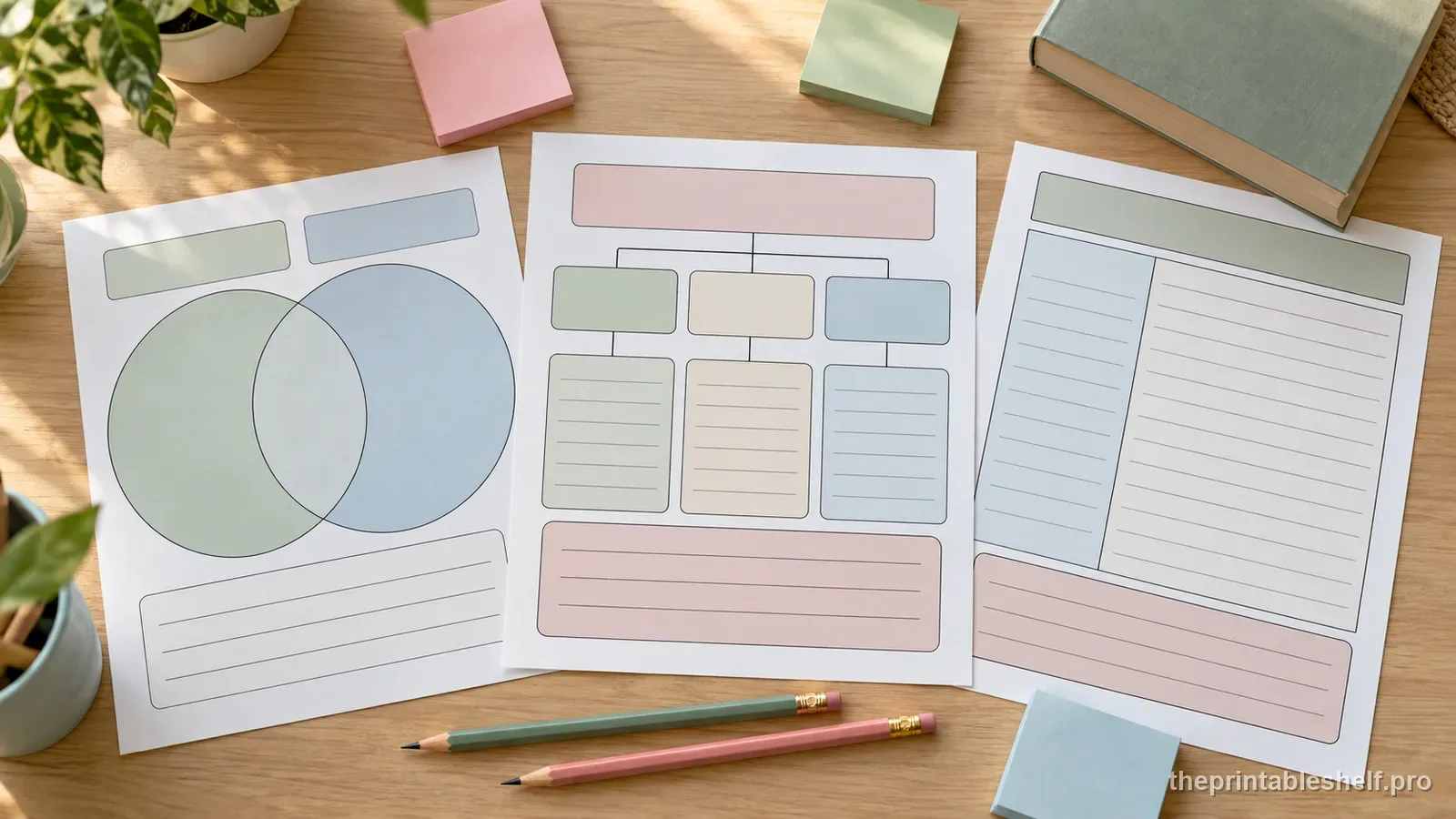
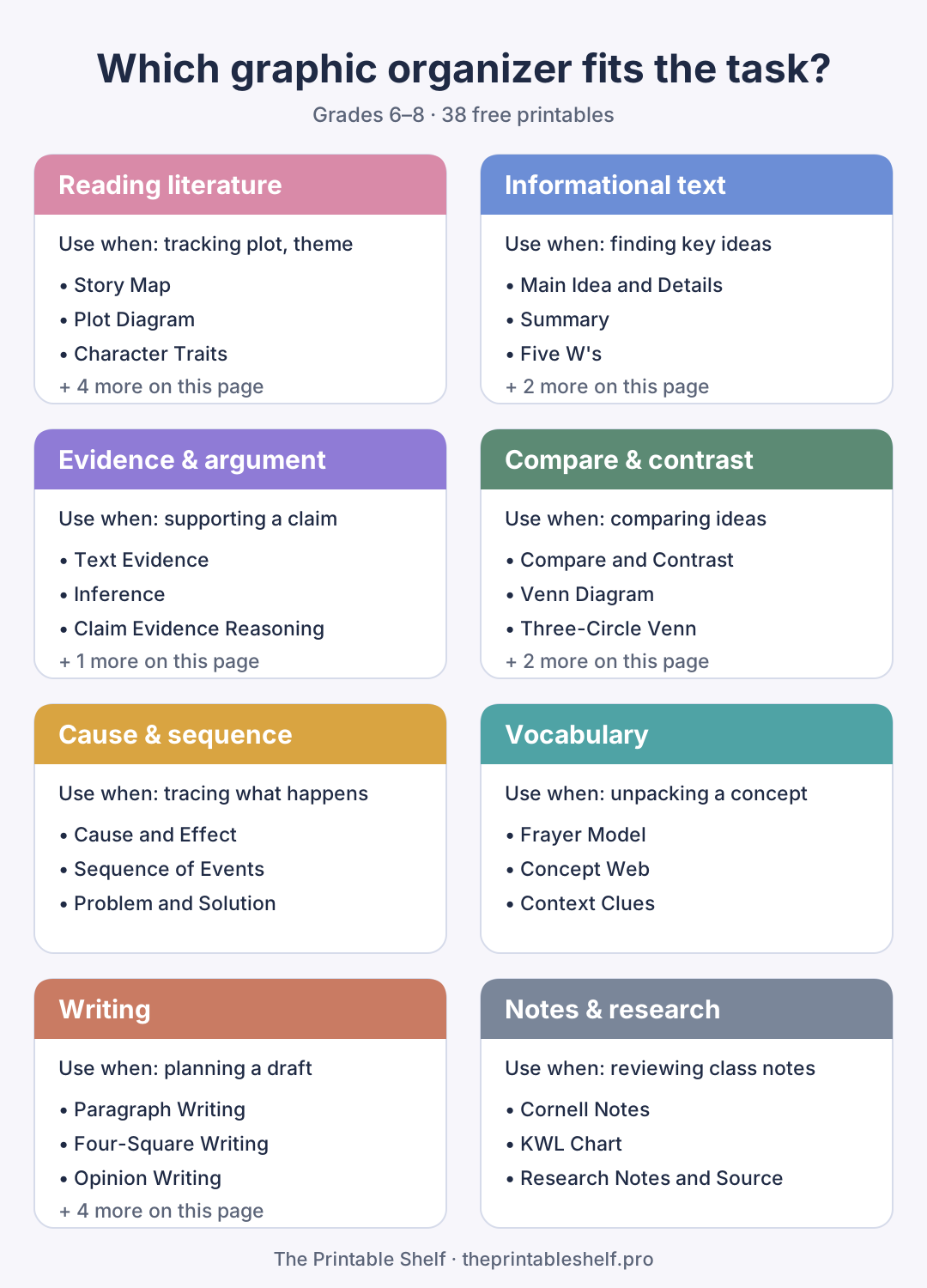
Explore 38 free graphic organizers suggested for grades 6–8, grouped by the work students need to do: read literature, read informational text, evaluate evidence and arguments, compare ideas, trace causes and sequences, build vocabulary, plan writing, and take notes or conduct research. Each section pairs printable choices with classroom uses so teachers and families can match a page to a real learning task.
For a quick match, scan the “Which organizer should I use?” table and the visual overview below it, then open the printable that fits the assignment. Each of the 37 individual organizers comes as a US Letter PDF, an A4 PDF, and a high-resolution PNG; many also show a completed example. The 12-page pack is available as PDFs only.
Which related ideas deserve further investigation?
Match a middle-school task to a graphic organizer, from literature and evidence to writing and research.
Reading literature: plot, character, and theme
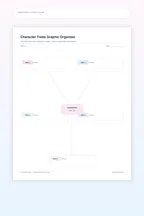
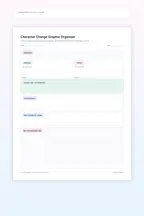
During a novel unit or short-story discussion, these pages help students track how story details build meaning. Choose a story map for a clear retell, a plot diagram for turning points, or a focused character, theme, point-of-view, or prediction page when the response needs evidence about one literary idea.
Before a Grade 6 novel discussion, students fill the character, setting, and problem boxes, then trace beginning, middle, and end to prepare a concise retell.
Which event changes the direction of the story? The plot-check prompt makes students name that turning point and explain why it matters, after they sort events along the arc.
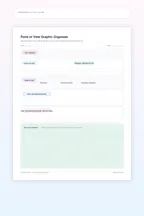
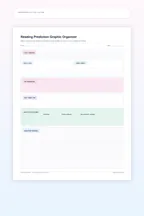
For a literature response, readers note the narrator and clues, consider access to thoughts, select a point-of-view category, and support that choice with evidence.
Reading informational text: central idea, summary, and structure
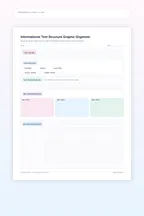
Use these choices with science articles, history readings, and current-events texts when students need to separate a topic from an author's point. Main-idea and summary pages support compression; Five W's gathers context, while the purpose and structure organizers help explain how an author shaped information.
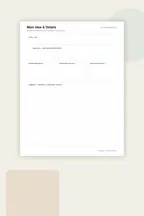
The topic box separates the subject from the main idea, while three support boxes and a summary section help readers condense a Grade 7 science article.
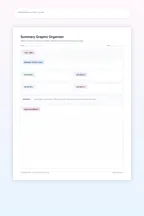
Which details belong in a short summary? The main-idea box, key-detail slots, leave-out check, and writing area guide readers through a Grade 7 history passage.
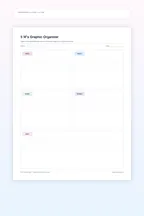
To prepare for a social studies event report, students sort source facts into Who, What, When, Where, and Why areas before drafting an informative overview.
An English article discussion can start with audience and topic, then connect the author's goal to a text choice, evidence, and an explanation of purpose.
During science nonfiction reading, students inspect signal-word clues, map how ideas relate, cite evidence, and explain the structure's role in the passage.
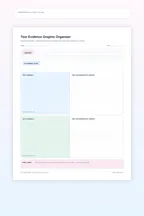
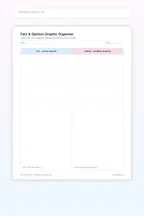
These organizers fit close reading, source analysis, lab explanations, and argument writing where an answer needs a visible reason. Select the text-evidence page to connect details to a claim, inference when meaning is implied, CER for a science explanation, or fact and opinion to examine statements carefully.
Which details actually support the claim? The question, claim, two evidence-and-explanation pairs, and final relevance check help a Grade 8 reading response stay grounded.
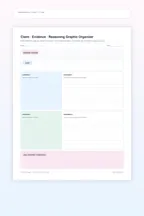
A Grade 7 lab report starts here: one claim, two evidence-and-reasoning pairs, and reasoning that ties the observations to a science idea give the explanation its backbone.
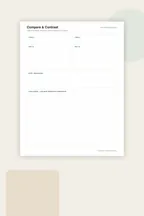
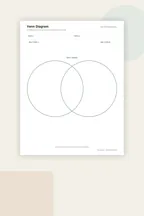
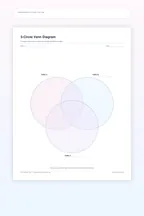
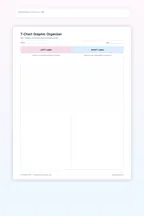
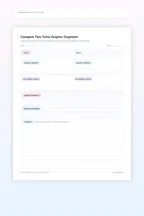
In literature, science, and social studies, comparison work asks students to keep similarities distinct from differences. Pick a two-topic comparison sheet for a written conclusion, a Venn page for shared traits, a T-chart for two labeled categories, or the source-focused page when comparing texts.
A Grade 8 history essay can draw on each source's main idea and evidence, one similarity, one difference, and a synthesis statement from the comparison page.
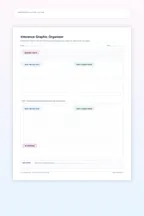
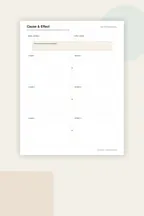
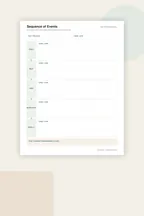
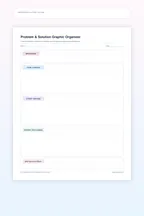
Choose this set when a lab report, historical account, procedure, or narrative depends on how events connect. The cause-effect page follows linked relationships, the sequence chain tracks ordered steps and change, and the problem-solution layout shows how a response develops from an identified problem.
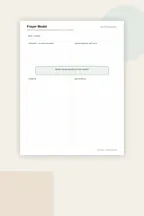
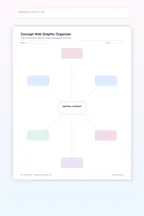
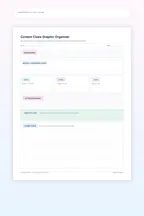
These pages support science terms, academic vocabulary, and early research planning when students need to make relationships visible. Use the Frayer format to define and test a concept's boundaries, a web to explore related ideas, or the context-clues page to defend a meaning from surrounding text.
A science vocabulary lesson gains a clear concept boundary from the definition, characteristics, examples, and non-examples recorded in the four sections.
At the start of a social studies research project, students place the topic in the center and branch related categories, questions, and concepts around it.
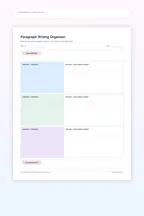
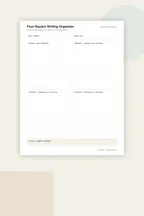
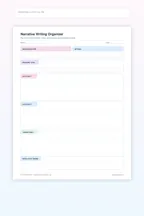
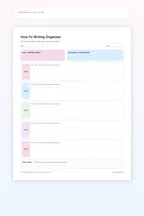
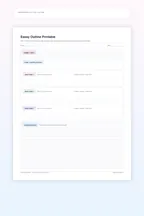
Use these planners before students draft a paragraph, argument, explanation, procedure, or story. A paragraph or four-square page organizes a focused response; opinion and essay planners build reasons and support, while informational, narrative, and how-to pages match the shape of the final writing.
For a science explanation paragraph, students place the main point in its box, collect three supporting details, and plan a closing sentence in the final strip.
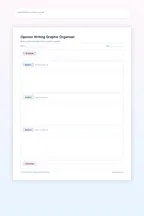
Which reasons strengthen the position? The organizer links a stated opinion with three reasons, supporting examples or evidence, and a conclusion for Grade 7 writing.
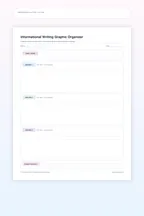
While planning a social studies report, students define the topic, group facts by three subtopics, add explanations, and settle on the takeaway before drafting.
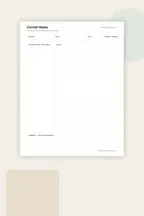
Notes and research projects across subjects call for different pages, and these three cover lesson review, background building, and source-based work. Start a unit with KWL to surface questions, use Cornell notes to capture and review class information, or keep research notes tied to one source so details remain connected to where they came from.
During source-based research for social studies, students log source details, separate paraphrases from quotations, note page locations, and connect each entry to their question.
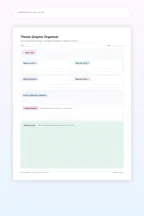
During a novel unit, students begin with the Story Map to record characters, setting, the problem, and the beginning, middle, and end. They then use the Theme Graphic Organizer to collect meaningful details, notice a pattern, and draft a theme statement supported by the text. With those notes in hand, students prepare a short paragraph explaining how story events support the theme, or bring their evidence to a small-group discussion. The sequence gives the final response a clear focus without asking students to copy every event.
After a class investigation, students first use the Claim Evidence Reasoning Graphic Organizer to answer the lab question and connect observations with reasoning. They can check whether each piece of evidence supports the claim and whether the reasoning explains the connection. Next, the Sequence of Events Graphic Organizer helps them arrange the procedure or changes they observed in order and describe the overall change. Students use both planning pages to write a lab report that presents a supported explanation and a readable account of the process, using only the observations gathered in class.
For a history research project, students start with the Research Notes and Source Organizer, keeping source details, paraphrases, quotations, and page locations connected as they read. They then use the Compare Two Texts Graphic Organizer to preserve each source's main idea and evidence, identify a meaningful similarity and difference, and write a synthesis statement. Those notes become a focused essay plan: students explain what each account contributes and support their conclusion with source details. The process moves from careful recording to comparison before students draft, so the finished essay has a traceable line of reasoning.
What graphic organizers work best for middle school?
The best choice follows the thinking task. A story map can help organize a novel retell, a main-idea page can separate a text's point from supporting details, and a CER page can connect a science claim to evidence and reasoning. For writing, choose a planner that matches the product, such as a paragraph, essay, or narrative.
Which graphic organizer should students use for an argument or claim-based essay?
For a science explanation that uses claim, evidence, and reasoning, start with the CER organizer. For an opinion essay, use the opinion-writing page to connect a position with supported reasons; for a longer essay, the essay outline pairs body points with evidence, examples, or explanation. Match the page to the assignment's structure.
What are the 7 types of graphic organizers?
There is no official list of exactly seven types; different sources group organizers in different ways. This page sorts its 38 printables into eight groups by classroom task: reading literature, informational text, evidence and argument, comparison, cause and sequence, vocabulary, writing, and notes and research. Pick whichever grouping matches the assignment in front of you.
Are these graphic organizers free to download as PDFs?
Yes. The 37 individual organizers are free to download without signing up, with a US Letter PDF, an A4 PDF, and a high-resolution PNG for each. The separate 12 Free Graphic Organizers Printable Pack includes US Letter and A4 PDFs only. Open an organizer's page to choose its available file.
Do the graphic organizers include completed examples?
Yes. Twenty of the 38 organizers have a completed example, including the Story Map, Main Idea and Details, Cornell Notes, and Claim Evidence Reasoning organizers. Availability varies by printable, so look for the “Completed example” section on the page for that specific organizer.
Which graphic organizer helps with central idea and summary?
The Main Idea and Details organizer helps students state a central idea and gather supporting details; the Summary organizer adds a check for details to leave out before writing a shorter account. Many middle-school reading standards use the term central idea for the main idea of a whole text.
How do I keep graphic organizers from becoming busywork in grades 6–8?
Choose a page only when its prompts help students make a decision they need for the final task. Have them cite useful details, connect evidence to a claim, rank what matters, or revise a prediction, then use those notes in a discussion, explanation, or draft. Skip boxes that do not contribute to the assignment.