Free Graphic Organizers (PDF): 37 Printable Templates by Purpose
Free printable graphic organizers as PDF and PNG, grouped by purpose: brainstorming, comparing, sequence, stories, reading, writing, and study. Plus a free graphic organizer maker.
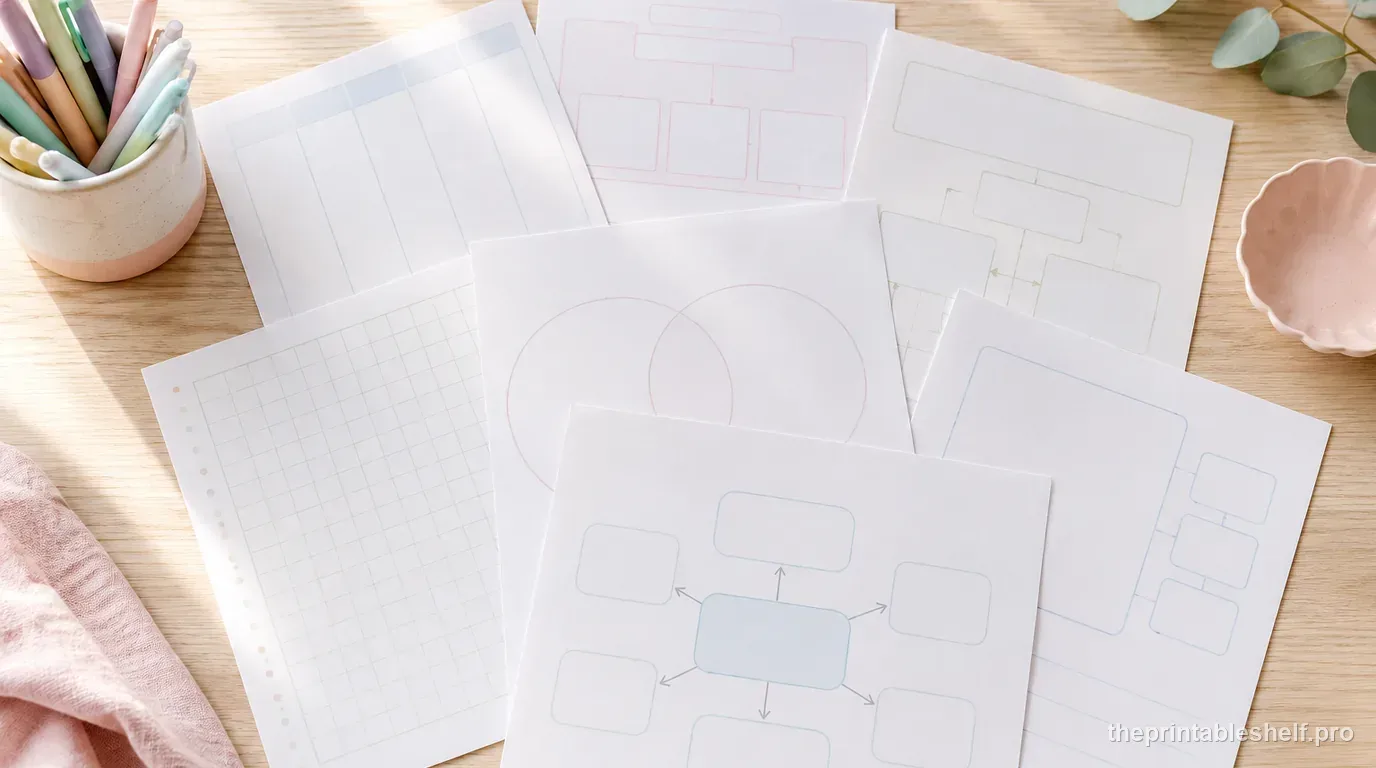
Graphic organizers are printable pages that help people lay out ideas and see how information connects. This collection groups 37 individual organizers by purpose, from brainstorming and comparison to reading, writing, and research. Browse by the thinking task in front of you, then choose a page whose structure gives that work a useful place to begin.
Start with the 10 examples below, then browse all 37 individual printables, each available as a US Letter PDF, A4 PDF, and high-resolution PNG. The separate 12-page pack is available as PDF files only. If you want to design a page around your own task, the free graphic organizer maker offers another starting point.
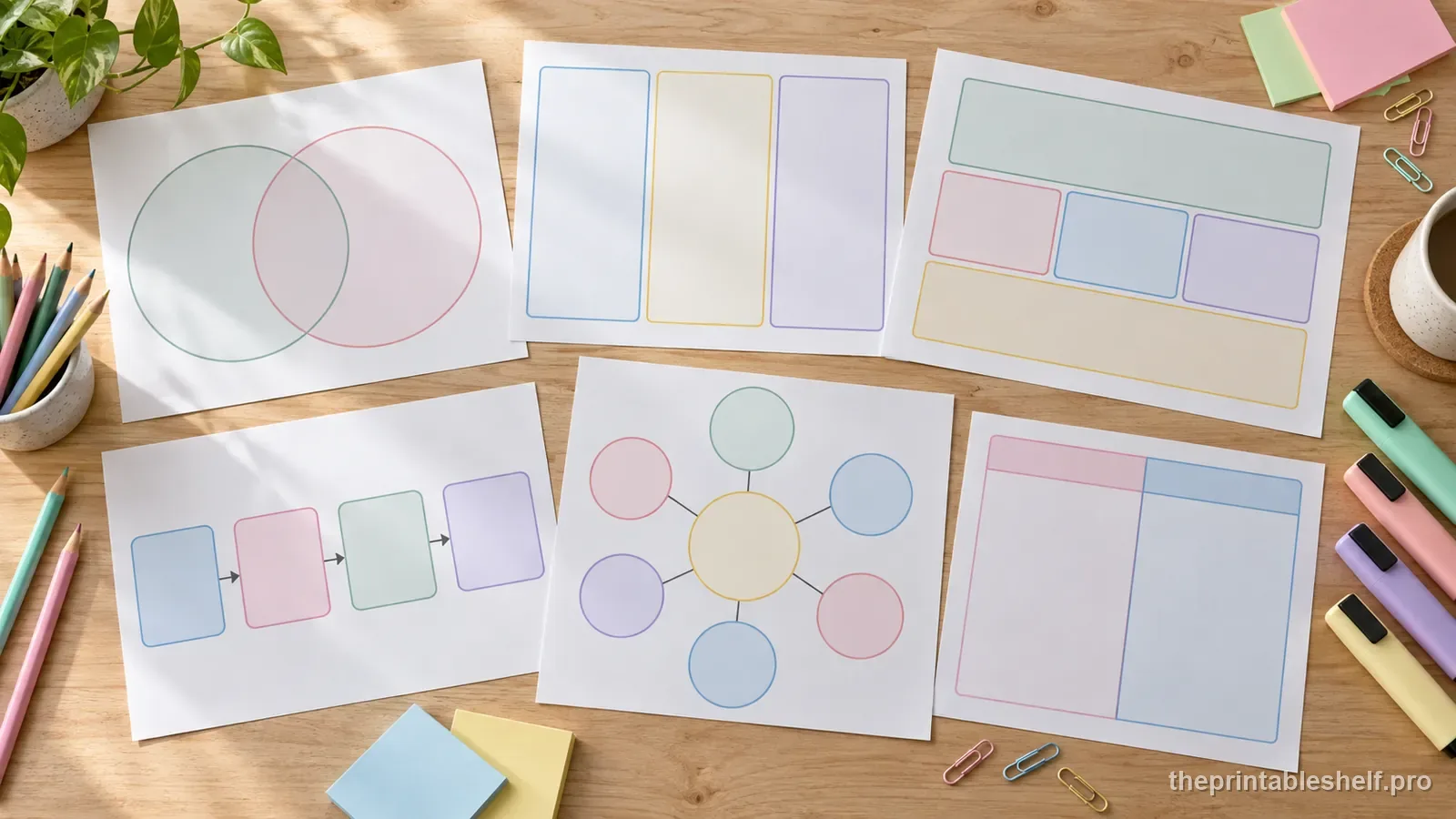
These 10 graphic organizer examples offer different ways to begin: one can open up a topic, another can compare sources, and others can support reading, writing, or research. Each serves a distinct purpose. The choices include both beginner pages and more involved organizers, so start with the thinking task and select a structure that fits.
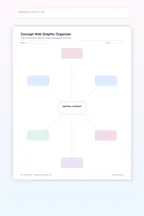
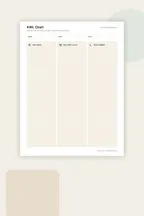
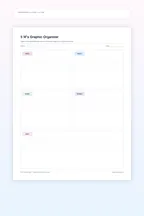
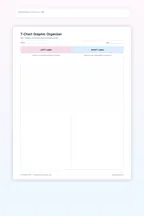
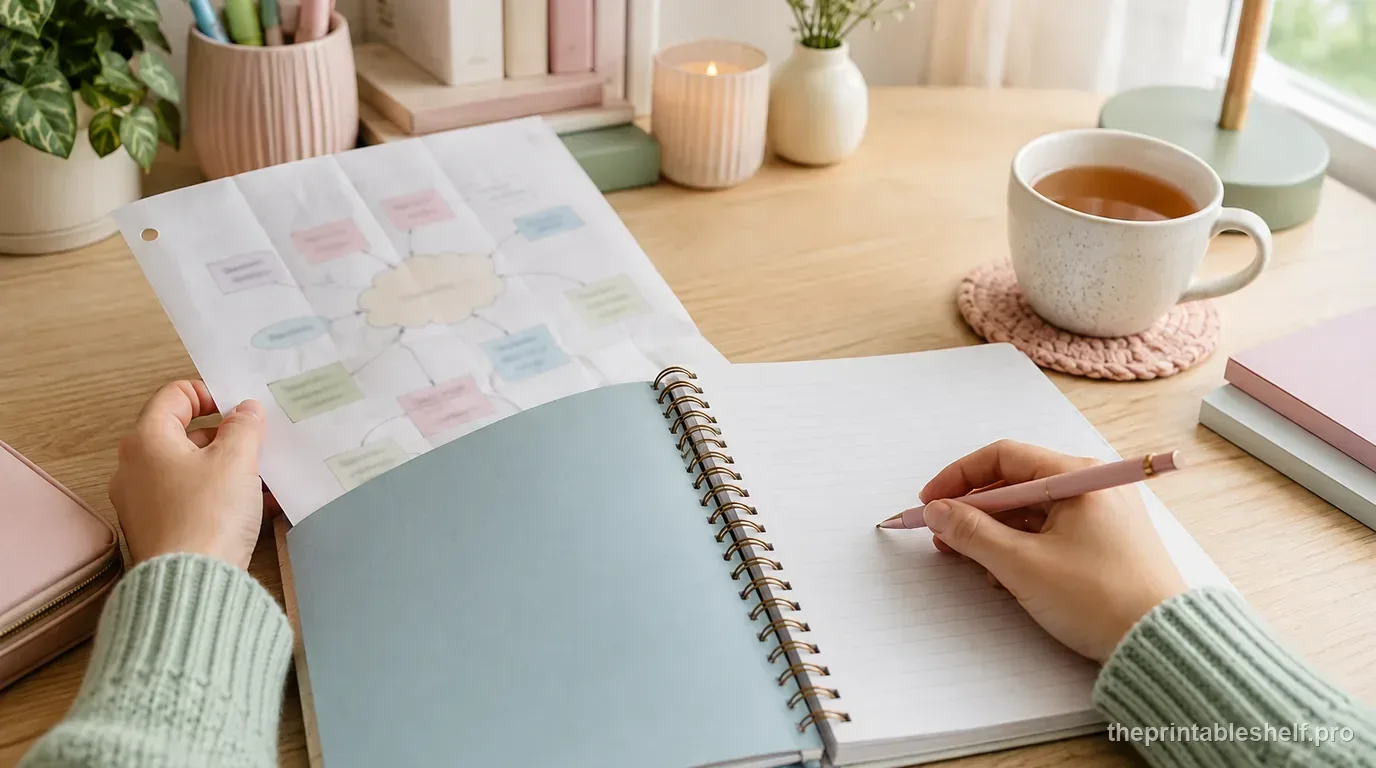
Start here when a lesson calls for background knowledge, questions, topic connections, or a quick sort. A concept web spreads related ideas outward, KWL keeps prior knowledge and questions visible, Five W's gathers context, and a T-chart leaves the categories open for the task.
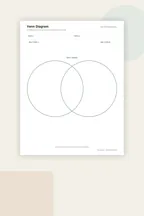
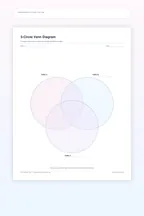
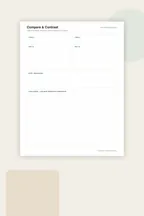
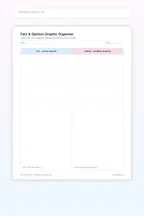
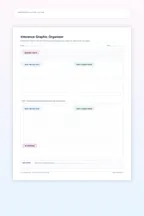
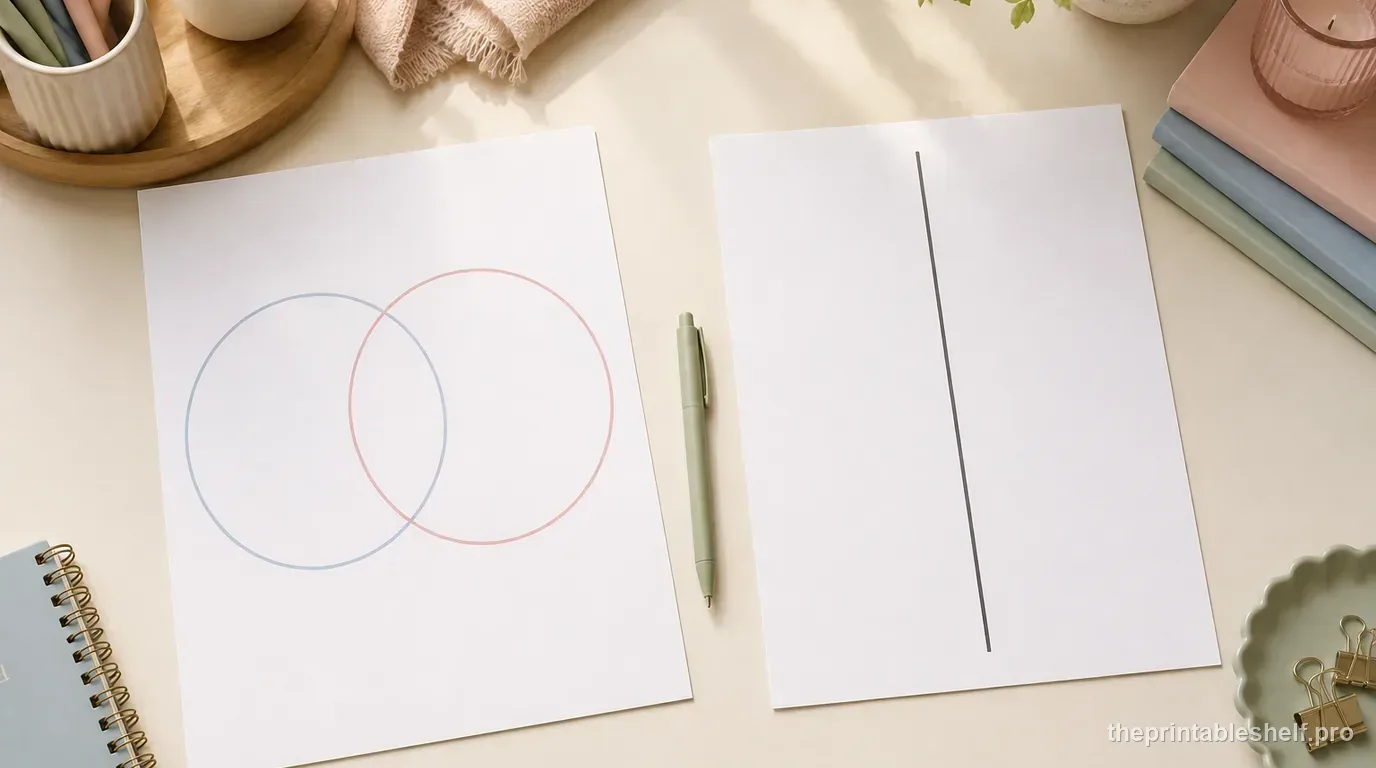
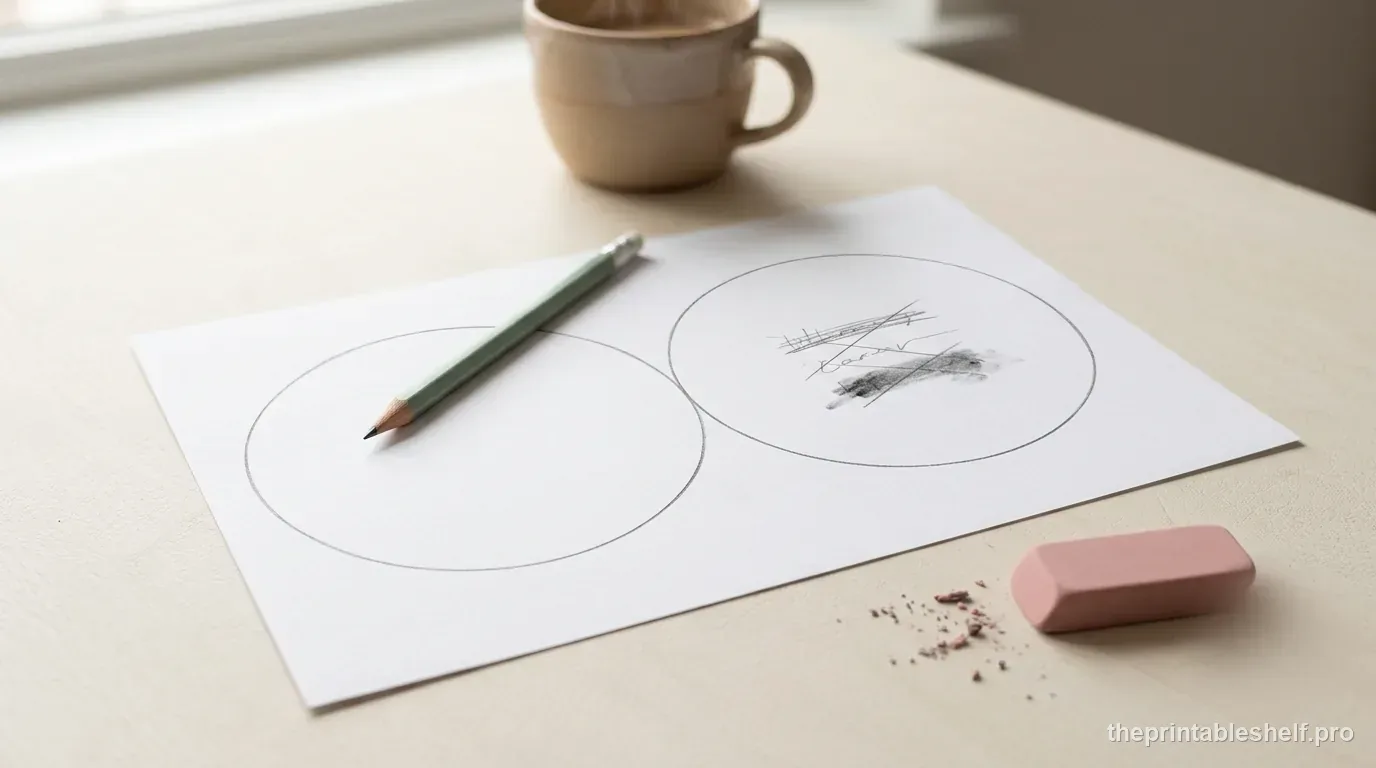
Use this set when a class needs to separate shared traits, differences, or categories. Two-circle and three-circle Venn pages make overlaps visible, while the comparison sheets add space to explain a conclusion or synthesize sources. Fact and opinion provides another way to classify statements.
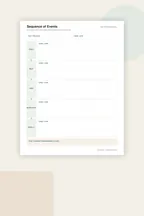
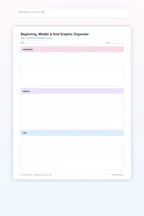
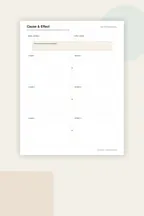
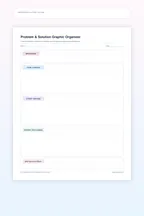
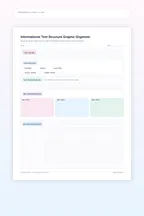
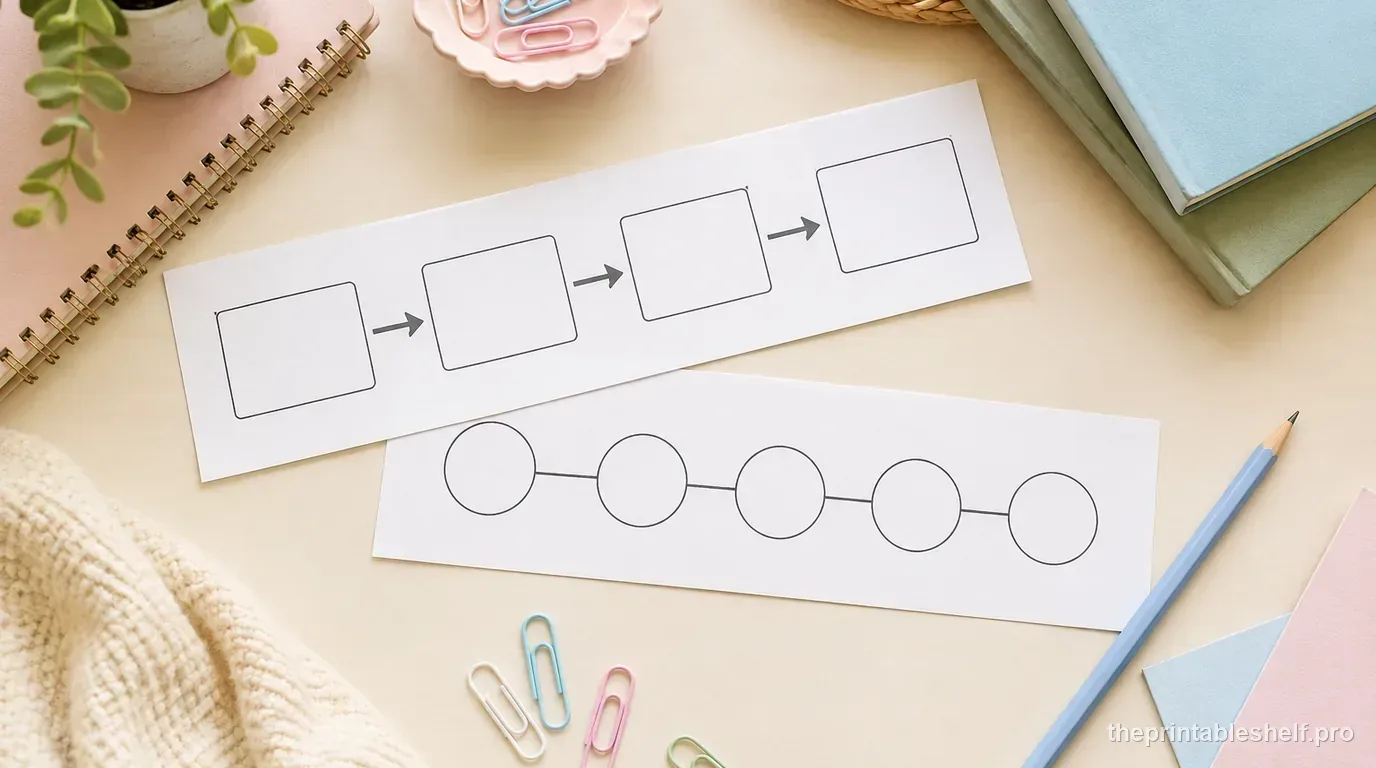
Choose these pages when order or a chain of events matters to a reading or explanation. A sequence organizer tracks steps and change, cause and effect connects related events, and problem-solution follows how a response develops. The text-structure page helps readers inspect relationships across nonfiction.
Stories: plot, characters, theme, and point of view
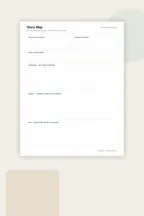
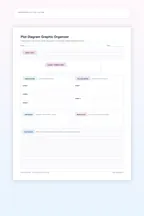
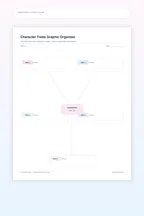
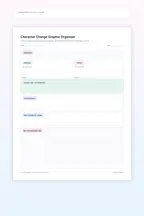
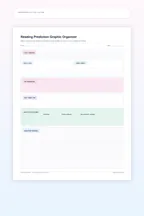
For a novel, short story, or literary response, these choices focus on how a story works. A story map gathers key elements, a plot page examines turning points, and dedicated sheets help examine character development, theme, narration, or a prediction against the text.
Which event shifts the conflict? The plot-check prompt asks Grade 8 readers to explain a turning point after arranging significant events along the story arc.
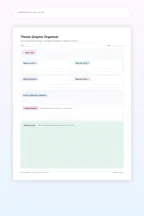
Grade 8 readers gather details, look for a pattern, propose a theme statement, and use the evidence check to see whether the text supports their interpretation.
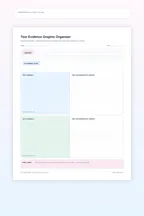
These pages fit nonfiction reading when the work involves explaining a main point, condensing a text, examining an author's choices, or supporting an answer. Evidence and inference organizers keep reasoning visible, while context clues and CER connect textual information with a supported conclusion.
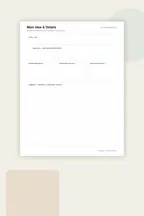
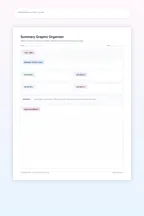
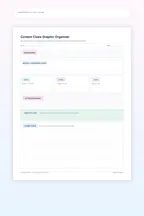
Which details deserve space in a short account? A main-idea box, key-detail slots, a leave-out check, and writing space support Grade 6 history reading.
Plan writing: paragraphs, opinions, stories, and essays
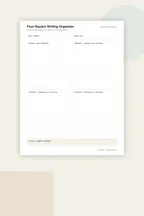
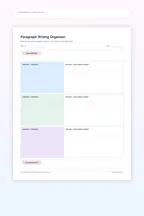
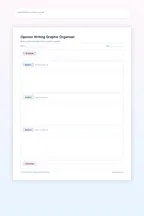
Select a planner before drafting so its prompts match the final piece. Paragraph and four-square pages organize one focused idea, opinion writing connects a position with support, and informational, narrative, how-to, and essay pages guide other forms of writing.
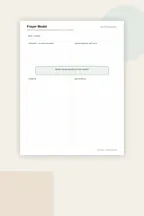
Study and research tasks ask learners to organize ideas from lessons, vocabulary, or sources. The Frayer format explores the boundaries of a concept; the source notes page keeps research details tied to one source and question as writers prepare to draft.
Three ways graphic organizers work in a real class
English language arts · Grade 4
Develop a theme response
After a class novel reading, students begin with the Story Map to gather characters, setting, the central problem, and key story stages. Next, the Theme Graphic Organizer gives them a place to consider repeated details, shape a theme statement, and check it against evidence. They can then write a short paragraph that explains how an event or choice supports the theme, or bring those notes to a discussion. Each page serves a separate step, from remembering the story to interpreting its meaning.
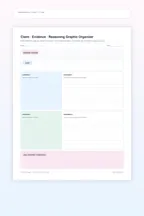
Following a class investigation, students use the Claim Evidence Reasoning Graphic Organizer to answer the lab question with a claim, observations, and reasoning. They review whether their evidence connects to the answer and whether the reasoning makes that link clear. Then the Sequence of Events Graphic Organizer helps place process steps in order and describe the change across them. The planning pages can guide a lab report that presents an evidence-based explanation alongside an account of the process, using observations from the investigation.
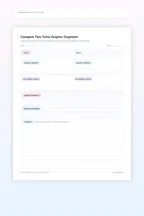
For a social studies research question, students first use the Research Notes and Source Organizer to keep source details, paraphrases, quotations, and page locations together. They can review each note for its connection to the question before drafting. The Compare Two Texts Graphic Organizer then helps preserve each account's main idea and evidence, identify a similarity and a difference, and form a synthesis statement. From these two planning stages, writers can shape a source-based essay that explains what the accounts contribute and supports its conclusion with information from the readings.
A graphic organizer is a page or chart that arranges information so you can see how ideas relate. A Venn diagram places shared traits in an overlap, a concept web branches connections from a topic, and a story map groups story elements and events. Choose a layout based on the relationship you want to examine or explain.
What are the 7 types of graphic organizers?
There is no official list of exactly seven types; different sources divide organizers in different ways. This page sorts its printables into seven purpose groups: brainstorming and activating ideas; comparing, contrasting, and sorting; sequence, cause, and problem-solution; stories; nonfiction reading and evidence; writing; and study and research. The group names describe how this collection is arranged.
Where can I find free graphic organizers?
You can find free graphic organizers here, with downloads that do not require registration. Each individual printable has PDF files, and some pages can also be filled in online; 15 of the 38 resources have that option. If you want to design a page for a specific task, the free graphic organizer maker is another place to start.
Can you give me 10 examples of graphic organizers?
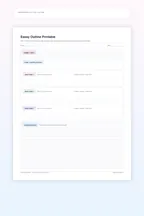
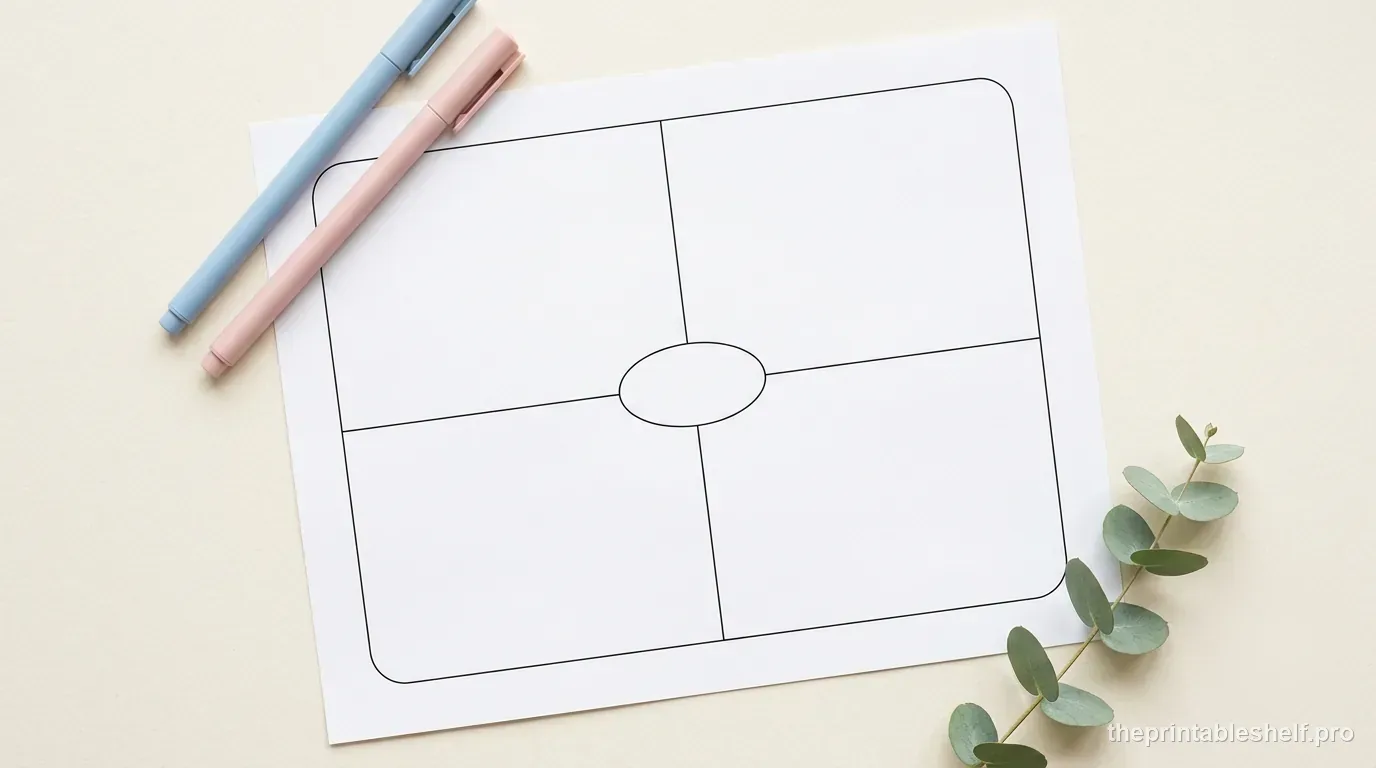
The 10 examples here are Concept Web for connected ideas, Venn Diagram for comparing two topics, Sequence of Events for ordered steps, Story Map for story elements, Main Idea and Details for a nonfiction point, Four-Square Writing for a paragraph plan, Claim Evidence Reasoning for an explanation, Frayer Model for a concept, Compare Two Texts for source synthesis, and Essay Outline for supported body points. The free graphic organizer maker is another option for a custom page.
How do you make a simple graphic organizer?
Use the free graphic organizer maker: choose one of eight layouts, add a title, select the paper size and orientation, then print or save a PDF or download PNG or SVG. No account is needed. You can also choose an existing printable when its layout matches the task and use that page as a starting point.
Do the graphic organizers include completed examples?
Yes. 19 of the 38 resources have a completed example, including Story Map, KWL Chart, Main Idea and Details, Summary, and Inference. Open the page for an individual printable and look for its “Completed example” section. Check the specific organizer you plan to use.
Are these graphic organizers free to download as PDFs?
Yes. All are free to download without sign-up. Each of the 37 individual organizers has a US Letter PDF, an A4 PDF, and a high-resolution PNG. The 12-page pack has US Letter PDF and A4 PDF files only, with no PNG. Open the individual printable or pack page to choose its available download.